
Have you ever wondered how Netflix knows what you want to watch next or how your phone recognizes your face in seconds? These everyday conveniences are powered by artificial intelligence—and they’re just the beginning. The future of AI is shaping up to be one of the biggest technological shifts in human history. According to global research, AI is expected to add trillions of dollars to the world economy in the coming years, transforming how we work, live, and do business.
So, what is the future of AI, and why does it matter so much right now? In this article, we’ll explore how AI is evolving, where it’s already making an impact, and how businesses can prepare for what’s next. Whether you’re new to AI or simply curious, this guide breaks everything down in a clear, practical way.
Understanding AI Today Before Looking Ahead
Artificial Intelligence refers to systems that can perform tasks that normally require human intelligence. These tasks include learning from data, recognizing patterns, making decisions, and even creating content.
Common Types of AI You See Today
- Narrow AI: Performs specific tasks like chatbots or recommendation systems
- Machine Learning: Improves performance through data
- Deep Learning: Uses neural networks inspired by the human brain
- Generative AI: Creates text, images, videos, and code
These technologies are evolving rapidly, setting the stage for the next phase in the future of AI.
What Is the Future of AI? Key Trends Shaping What’s Next
AI Will Become More Context-Aware
Future AI systems won’t just respond to commands—they’ll understand context. This means better conversations, smarter recommendations, and more accurate decision-making.
AI will:
- Understand user intent more clearly
- Adapt responses based on behavior
- Learn continuously in real time
This shift will make AI tools feel more natural and human-like, without actually being human.
AI and Automation Will Redefine Work
One of the most discussed topics around the future of AI is job automation. While AI will automate repetitive tasks, it will also create entirely new roles.
Jobs Likely to Be Automated
- Manual data processing
- Basic customer support
- Routine administrative work
Jobs That Will Grow
- AI developers and data scientists
- Automation specialists
- AI ethics and compliance experts
Instead of replacing humans, AI will augment human capabilities, allowing people to focus on creativity and strategic thinking.
Also Read: SaaS vs Custom Software: Which One Is Right for Your Business?
The Future of AI in Business and Software Development Solutions

AI is becoming a core part of modern software development solutions, helping businesses operate smarter and faster.
How AI Is Transforming Software Development
- Automated code generation and testing
- Predictive analytics for system performance
- AI-powered DevOps and monitoring
- Intelligent application personalization
Companies that integrate AI into their software development processes gain better scalability, faster time-to-market, and improved user experiences.
Industry-Wise Impact of the Future of AI
AI in Healthcare
AI is already saving lives—and it will do even more in the future.
AI will help healthcare by:
- Detecting diseases earlier
- Supporting doctors with diagnosis
- Reducing paperwork through automation
- Enabling personalized treatment plans
Rather than replacing medical professionals, AI will act as a powerful support system.
AI in Education
Education is moving away from one-size-fits-all learning.
Future AI-powered education will include:
- Personalized learning paths
- Virtual AI tutors available 24/7
- Automated assessments and feedback
- Skill-based learning recommendations
Students will learn at their own pace, improving outcomes and engagement.
AI in Finance and Banking
The financial sector has embraced AI quickly—and for good reason.
AI helps finance by:
- Detecting fraud in real time
- Improving risk assessment
- Automating customer service
- Offering AI-powered investment advice
The future of AI will make financial services more secure and accessible.
AI in Marketing and Customer Experience
AI is changing how brands interact with customers.
Key benefits include:
- Personalized recommendations
- Predictive customer behavior analysis
- Automated content creation
- Smarter ad targeting
These tools allow businesses to connect with customers in more meaningful ways.
Step-by-Step Guide: How Businesses Can Prepare for the Future of AI
Step 1: Identify AI Opportunities
Start by spotting repetitive or data-heavy tasks that AI can improve.
Step 2: Build a Strong Data Foundation
AI systems rely on clean, structured, and reliable data.
Step 3: Start with Small AI Projects
Pilot AI solutions before scaling them across the organization.
Step 4: Train Teams to Work With AI
Upskilling employees ensures smooth adoption and better results.
Step 5: Invest in Scalable Software Development Solutions
AI works best when built into flexible, future-ready software systems.
Ethical AI: A Crucial Part of the Future
As AI becomes more powerful, ethical concerns grow.
Key Ethical Challenges
- Data privacy and security
- Bias in AI algorithms
- Transparency in decision-making
- Responsible AI governance
Organizations and governments worldwide are working on AI regulations to ensure fair and safe usage.
External resource suggestion: World Economic Forum – AI Governance
The Role of Generative AI in the Future of AI

Generative AI is one of the most exciting developments in recent years.
What Generative AI Can Do
- Write articles and marketing copy
- Generate images and videos
- Assist in coding and product design
- Support idea generation and brainstorming
In the future, generative AI will act as a creative partner, not a replacement for human creativity.
Conclusion: Embracing the Future of AI With Confidence
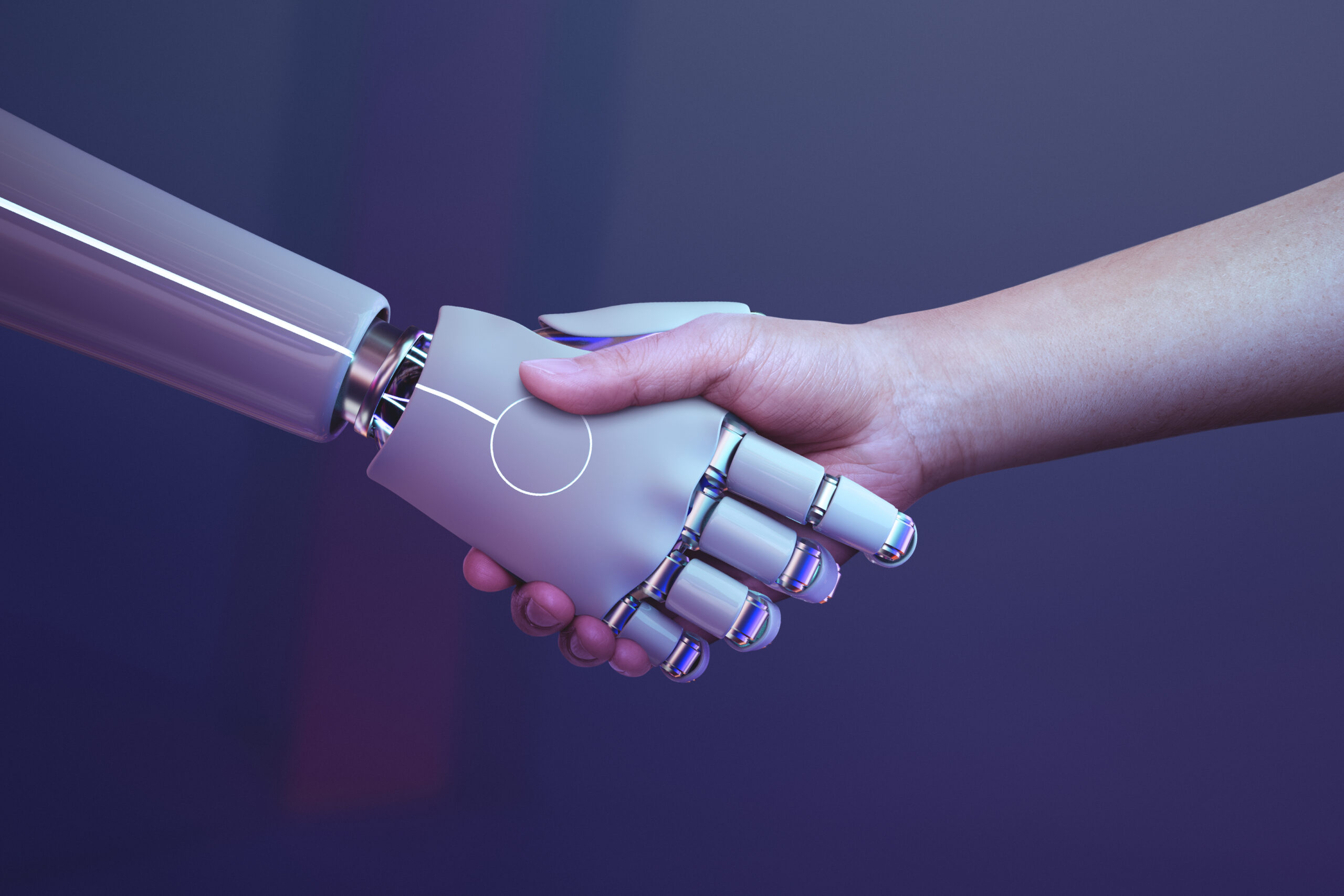
The future of AI is not about machines taking over—it’s about smarter collaboration between humans and technology. AI will continue to transform industries, redefine jobs, and unlock new possibilities for innovation. Those who understand and adapt to these changes early will be better positioned for long-term success.
Whether you’re a business leader, developer, or curious learner, now is the time to explore how AI can add real value. With the right approach and scalable technology, AI becomes a powerful growth enabler—not a challenge.